



The Advantages of High-Efficiency Water Heaters
Water heaters play a vital role in households and businesses, providing the essential service of delivering hot water for various daily needs. A reliable water heater is crucial for comfort and efficiency, from showers and dishwashing to heating systems. It is important to have a water heater that meets your demands and operates efficiently. That’s why you should choose someone specialized in installing and maintaining high-efficiency water heaters, reduced energy costs, and reliable performance.
What is a High-Efficiency Water Heater?
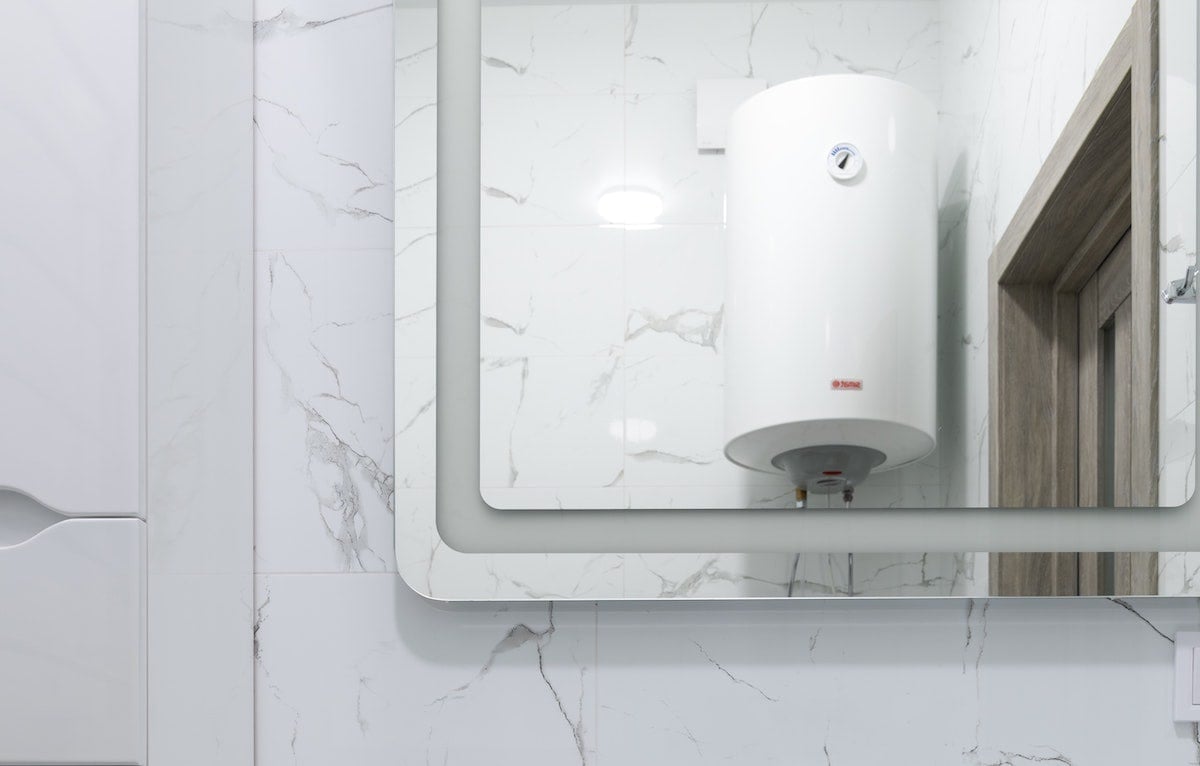
A high-efficiency water heater is designed to use significantly less energy than traditional water heaters while providing the same or even better performance. These units achieve higher efficiency through advanced technology and improved insulation, reducing the energy required to heat water. Unlike conventional water heaters, which often lose heat through the tank or inefficient heating processes, high-efficiency models are built to minimize these losses, resulting in lower energy consumption and reduced utility bills.
Types of High-Efficiency Water Heaters
- Tankless Water Heaters heat water on demand, eliminating the need for a storage tank. It saves energy and ensures an endless supply of hot water whenever needed.
- Heat Pump Water Heaters transfer heat from the surrounding air or ground to heat the water, making them much more efficient than traditional electric resistance water heaters.
- Condensing Water Heaters capture and utilize the heat from exhaust gases that would typically be wasted in a traditional water heater. This process allows for greater energy efficiency and higher output, especially in larger households or commercial settings.
Each of these types offers unique benefits and can be selected based on the specific needs and preferences of the household or business.
Key Advantages of High-Efficiency Water Heaters
Energy Savings
One of the most significant advantages of high-efficiency water heaters is their ability to consume less energy than traditional models. By utilizing advanced technology and improved insulation, these water heaters require less energy to heat the same amount of water. This reduction in energy usage directly translates into lower utility bills, allowing homeowners and businesses to save money over time while still enjoying the same level of comfort and convenience.
Environmental Benefits
High-efficiency water heaters are also better for the environment. Using less energy contributes to a reduced carbon footprint, which is crucial in today’s efforts to combat climate change. These energy-efficient models decrease the demand for fossil fuels, leading to fewer greenhouse gas emissions. Choosing a high-efficiency water heater is not just a smart financial decision but also a responsible choice for those looking to minimize their environmental impact.
Long-Term Cost Savings
Beyond the immediate savings on utility bills, high-efficiency water heaters offer long-term financial benefits. Many energy-efficient models qualify for rebates and incentives from local governments or utility companies, further reducing the overall cost of ownership. Additionally, the longevity and durability of these units often mean fewer repairs and replacements, saving money in the long run.
Consistent Hot Water Supply
High-efficiency water heaters are designed to provide consistent and reliable hot water, even during periods of high demand. Unlike traditional models that may struggle to keep up with usage, especially in larger households or commercial settings, these advanced systems maintain a steady hot water supply. This improved performance ensures that hot water is always available when needed, enhancing comfort and convenience for users.
How High-Efficiency Water Heaters Work
Technological Features
High-efficiency water heaters incorporate various advanced technologies to maximize energy savings and performance. Key features include:
- Condensing Technology. This process captures and utilizes the heat from exhaust gases that typically escape in a traditional water heater. By recycling this heat, the water heater requires less energy to bring the water to the desired temperature.
- Enhanced Insulation. High-efficiency models are equipped with superior insulation materials that minimize heat loss. This means that the water remains hotter for longer periods without needing constant reheating, further reducing energy consumption.
- Smart Controls. Many high-efficiency water heaters have intelligent control systems that allow users to program heating schedules, monitor energy usage, and adjust settings remotely. These controls help optimize the unit’s performance based on usage patterns, preventing unnecessary energy use.
- Heat Pump Technology. Some high-efficiency models use heat pumps, which transfer heat from the surrounding air or ground to heat the water. This method is much more efficient than traditional electric resistance heating.
Comparison with Traditional Models
When compared to older, less efficient water heaters, high-efficiency models offer several distinct advantages:
- Efficiency. Traditional water heaters often operate at a lower efficiency, meaning more energy is wasted during the heating process. High-efficiency models are designed to minimize energy loss, resulting in greater efficiency and lower energy bills.
- Operation. Older models may require constant reheating to maintain water temperature, leading to higher energy use. In contrast, high-efficiency water heaters maintain temperature more effectively and often provide on-demand hot water, reducing the need for continuous operation.
- Maintenance Requirements. High-efficiency water heaters are generally designed with durability and longevity in mind. They may require less frequent maintenance than older models, but specific maintenance tasks like cleaning and inspections are necessary to ensure optimal performance. Additionally, the advanced technology in these units often includes diagnostic systems that alert homeowners to potential issues before they become major problems.
Overall, high-efficiency water heaters significantly improve over traditional models, offering enhanced performance, energy savings, and a reduced environmental impact.
Choosing the Right High-Efficiency Water Heater
Factors to Consider
When selecting a high-efficiency water heater, it’s essential to consider several factors:
- Size. Ensure the water heater’s capacity matches the needs of your household or business. A unit that’s too small may struggle to meet demand, while an oversized unit can lead to unnecessary energy consumption.
- Fuel Type. Choose the appropriate fuel type—such as natural gas, electricity, or propane—based on availability, cost, and energy efficiency. Each type has its own set of advantages and operational costs.
- Specific Needs. Consider your specific usage patterns and hot water demands. For example, a tankless water heater might be ideal for homes with intermittent usage, while a heat pump water heater may be better for areas with mild climates.

Maintenance and Longevity
Maintenance Tips
Proper maintenance is key to ensuring the longevity and efficiency of your high-efficiency water heater:
- Regular Inspections. Schedule annual inspections to check for potential issues, clean components, and ensure the system is running efficiently.
- Flushing the Tank. If your unit has a storage tank, regularly flush it to remove sediment buildup, which can reduce efficiency and lifespan.
- Check the Anode Rod. Periodically inspect and replace the anode rod to prevent tank corrosion and extend the life of the water heater.
- Monitor Performance. Keep an eye on the water heater’s performance and energy usage. Any sudden changes may indicate a need for maintenance or repairs.
By following these tips, you can ensure your high-efficiency water heater operates at its best for many years.
In summary, high-efficiency water heaters offer significant benefits, including energy savings, reduced environmental impact, long-term cost savings, and reliable hot water supply. For those looking to upgrade their water heating system, IRBIS HVAC could provide expert advice, professional installation, and comprehensive maintenance services. Make sure you’re getting the most out of your water heating system while saving on energy costs.