


Window treatments by room: a practical guide for Seattle homes
Four questions that narrow the choice
The simplest method for choosing window treatments for each room is to answer four questions before looking at colors or fabrics. Together they turn dozens of possible products into a short list of two or three that truly fit.
- Light: does the room need full darkness, soft daylight or a clear view without glare?
- Moisture: will the window face steam, splashes or regular condensation?
- Reach: is the window easy to touch, or is it behind a sink, a tub, a sofa or two stories up?
- Safety: will young children or pets spend time in the room?
Once these answers are written down for every room, the room sets the requirements and the product simply has to meet them. It is a calm, logical way to plan, and it prevents the most common mismatches.
Two local factors that shape every answer
The first factor is the extreme swing in daylight. In December it is dark by about 4:30 p.m., while through much of June the sun rises before 5:30 a.m. Rooms used during the day should welcome every bit of winter light, and heavy room-darkening fabrics belong mainly where people sleep. The second factor is the long, damp season. Materials that do not swell, warp or hold moisture last longer in this climate, which makes material choice particularly important in bathrooms, kitchens and laundry rooms.
Room darkening and blackout are not the same thing
These terms are often used interchangeably, but they describe different things. Room darkening refers to the fabric itself, which stops light from passing through. Blackout is the complete result: that fabric combined with side channels along the frame or an outside mount that overlaps the casing, so light cannot slip around the edges. A room-darkening shade mounted inside the frame without channels will still leave thin bright lines at dawn, which is why the mounting method matters as much as the fabric.

Room-by-room guide
Bedrooms: dark, warm and quiet
Early summer sunrises and streetlights that stay on all night make light control the priority in a bedroom. Cellular shades in a room-darkening fabric are an excellent all-round choice: they darken well, insulate on cold January nights, operate silently and are available cordless. Roller shades give the cleanest, most minimal look, lined Roman shades suit a softly furnished room, and shutters with a built-in darkening option provide adjustable louvers by day and deep darkness at night. If the bed sits under the window or someone in the household sleeps during the day, a motorized shade on a schedule can close and open the room automatically.
Living rooms: keep the view, cut the glare
The living room usually has the largest glass in the house and often the best view, which also means the strongest afternoon sun on the television and the greatest heat loss in winter. Solar shades with 3 to 5 percent openness reduce glare and much of the solar heat while keeping the lake, trees or skyline visible. Because solar fabric offers little privacy after dark when lamps are on, a street-facing living room benefits from a second layer, such as a dual shade, sheer shades with tilting vanes or shutters. On older single-pane glass, a cellular shade or a dual shade with an insulating layer keeps the seating area noticeably warmer in winter. For a wall of three or more windows, motorization lets all of them move together with a single button.
Kitchens: wipe clean and easy to reach
Grease, steam and splashes make durable, washable materials the right choice. Faux wood and aluminum blinds clean easily with a damp cloth, and slats tilted upward bounce daylight onto the counter while keeping glare off a tablet or recipe screen. A solar roller shade is a lovely option for a sunny window over the counter. The window behind the sink deserves special attention: a wand-tilt blind, a cordless lift within easy reach or a motorized shade with a remote or rechargeable button wand means nobody has to lean over the faucet. In an open-plan layout, echoing the living room’s coverings in a practical, wipeable version keeps the space visually connected.
Bathrooms: privacy with daylight
In the bathroom, material comes first. Inside a shower or directly above a tub, fully waterproof synthetic shutters with corrosion-resistant hardware are the dependable choice. Elsewhere in the room, faux wood or aluminum blinds handle steam without swelling. For privacy that still brings in plenty of daylight, a top-down bottom-up cellular shade in polyester fabric covers the lower glass and leaves the sky open, while shutter louvers or blind slats tilted upward block the view from outside. A powder room without a shower has normal humidity, so nearly any covering works there and can simply match the style of the nearby hallway or entry.
Nurseries and children’s rooms: dark, cordless and silent
Cordless operation is the standard for any room where young children spend time, so look for cordless or motorized products certified for child safety. A room-darkening cellular shade with side channels makes an early afternoon nap possible even in June, and an outside mount can keep the bottom rail beyond the reach of a standing toddler. A quiet motor with a nap-time schedule closes the room before the baby is carried in. Choosing a neutral fabric means the same shade will keep working beautifully when the nursery becomes a big-kid room.
Home offices
An office needs glare control on the monitor and a tidy, evenly lit background for video calls. Solar shades with 1 to 3 percent openness or layered sheer shades work especially well. Placing the desk perpendicular to the window, rather than facing it or with your back to it, reduces both screen glare and backlighting on camera, and the window covering can then fine-tune the remaining light.
Dining rooms and media rooms
A dining room is about atmosphere and finish, so Roman shades, wood blinds or shutters are a natural fit and pair nicely with wood furniture and trim. A media room has the opposite goal: real darkness during the day. Blackout fabric with side channels or an outside mount is essential here, and motorized shades let the room change from movie mode to daylight without walking to each window.
Laundry rooms and entryways
Laundry rooms share the bathroom’s moisture concerns, so faux wood, aluminum or polyester shades are sensible choices. Entry doors with glass panels and sidelights benefit from slim coverings mounted directly to the door or frame, such as aluminum blinds or compact cellular shades, which offer privacy without interfering with the door’s movement.
Mixing products without a patchwork look
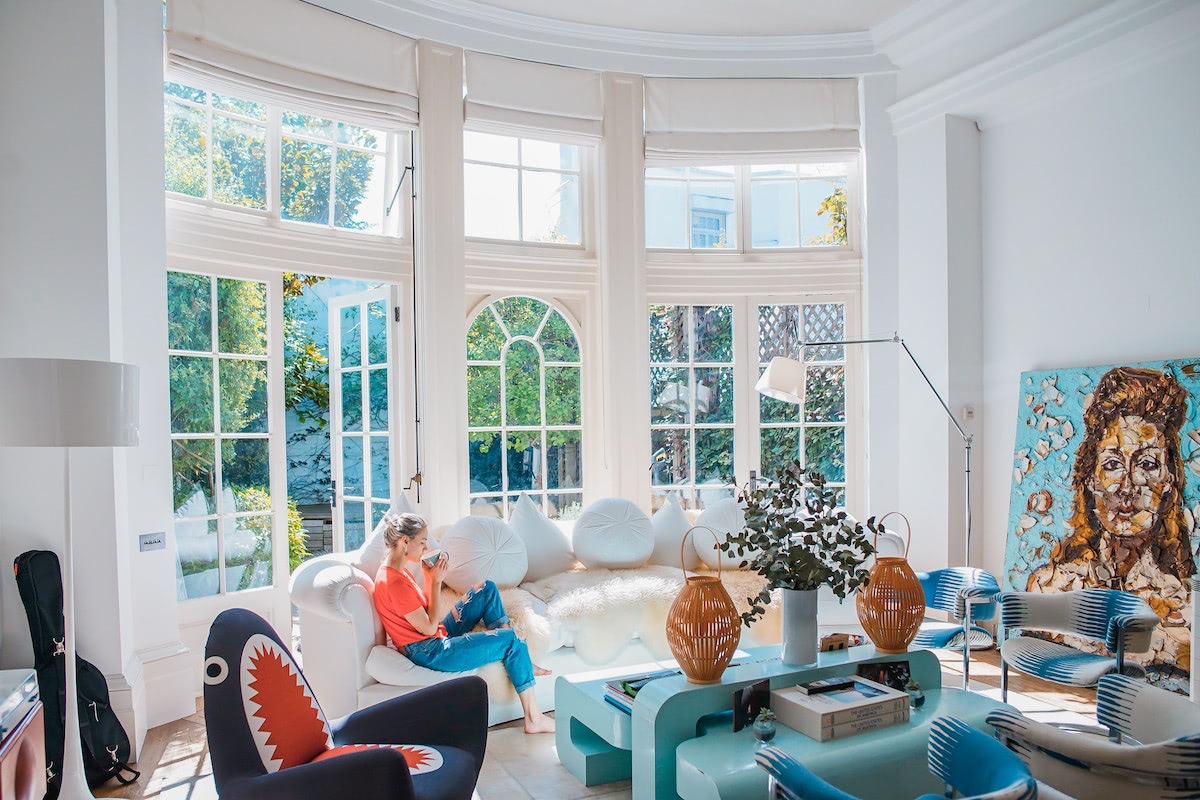
A house does not need a single product throughout, and most homes are better without one. Blackout shades in the bedrooms, shutters in the living room and faux wood blinds in the kitchen can still look like a planned set when a few simple rules are followed. Match whites and wood tones across product lines, so a white shutter and a white blind read as the same color. Keep headrails and mounting heights consistent on windows that are visible together, especially on the street-facing side of the house. Use the same fabric family on adjacent rooms connected by an open plan. With these details in place, well-chosen blinds and shades for Seattle homes can vary from room to room while the house still looks unified from both the street and the hallway.
Planning in stages
Not every room needs to be finished at once. A practical sequence starts with bedrooms and street-facing rooms, where sleep and privacy matter most, followed by bathrooms and the kitchen, and finally rooms with lower priority such as guest rooms and offices. Choosing colors and finishes for the whole house at the start, even if installation happens over several months or seasons, ensures that later rooms blend smoothly with earlier ones.
Preparing your room-by-room plan
A little preparation turns window planning into an enjoyable project. Before comparing products, it helps to note the following for each room:
- What bothers you most: light, glare, privacy, steam, cold or reach.
- Which windows face the street or a neighbor, and which direction each window faces.
- Whether anyone sleeps during the day, works from home or is under five years old.
- Which whites and wood tones already appear in the trim, floors and furniture.
- Which windows have shallow frames, handles, cranks or obstacles nearby.
Comparing real samples at the window, in the same light that causes the issue, is the final step. A fabric that looks perfect in a photo can feel quite different under soft northern light or strong western sun, and seeing it in place makes the decision easy.
For more ideas organized by room and window type, Papablinds.com offers helpful guides covering bedrooms, bathrooms, kitchens, living rooms and nurseries. With a clear plan for each space, every room can have exactly the light, privacy and comfort it needs, and the whole home can feel bright, cozy and well put together in every season.