



For years, North American homes have relied on classic double-hung or sliding windows. They are familiar, but they also limit how you can ventilate, clean, and design a space. European-style tilt and turn PVC windows change that paradigm, combining minimalist aesthetics with advanced functionality that directly improves everyday living.
As a manufacturer and supplier, Seemray sees more architects, designers, and homeowners switching to this system not just for performance, but for the design freedom it unlocks.
What Makes Tilt and Turn Windows Different?
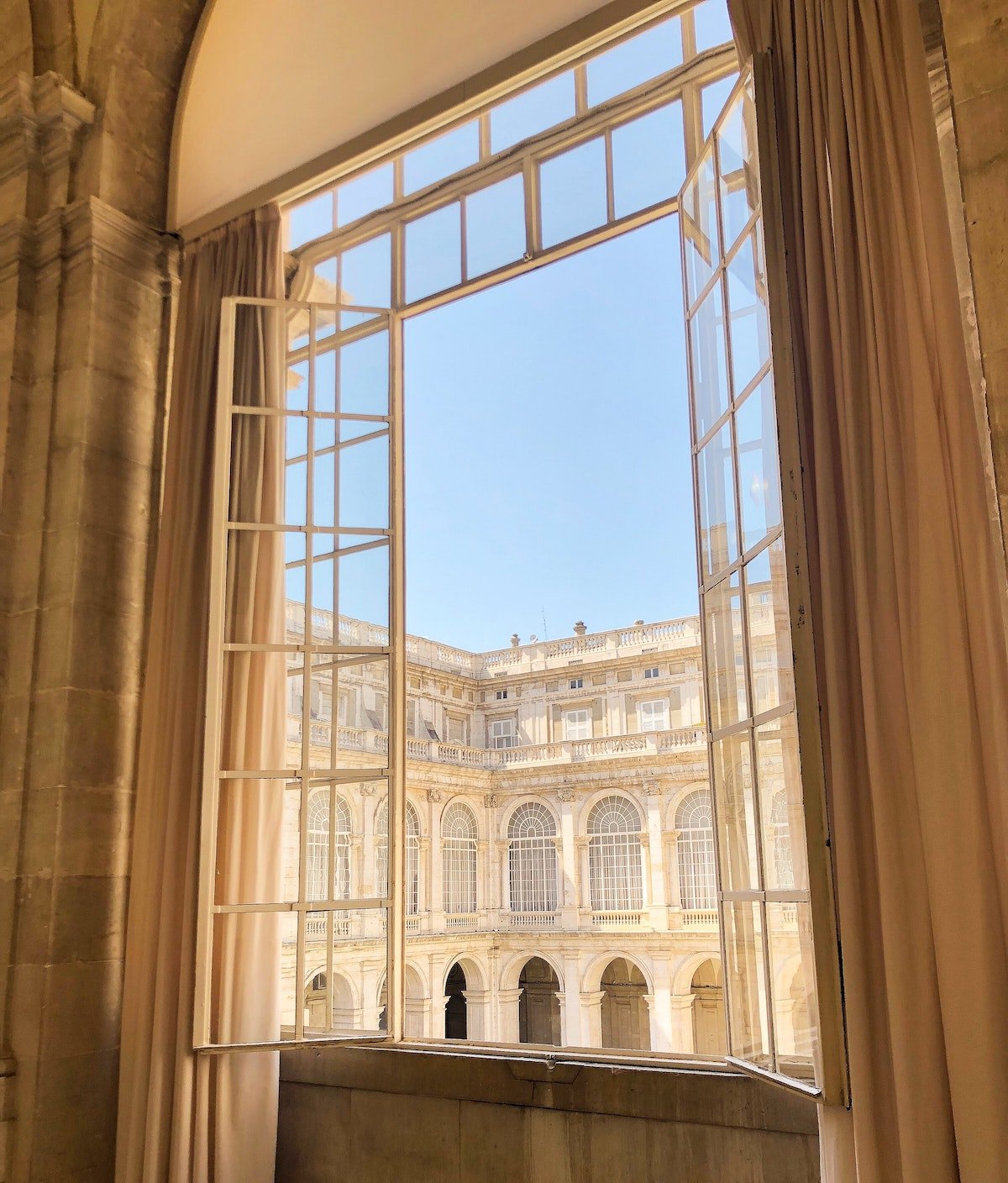
At first glance, tilt and turn windows look like modern casement units with clean lines and slim frames. The difference lies in the multi-functional hardware.
- In the “turn” position the sash opens inward like a door, allowing a wide, unobstructed opening.
- In the “tilt” position the top of the sash leans inward a few inches, creating a secure ventilation gap while the bottom remains locked.
This dual action in a single operable sash makes the window a flexible design tool for both compact urban apartments and large custom homes.
A Minimalist Look That Complements Modern Architecture
Contemporary architecture favors large glazed areas, sharp geometry, and simple, honest materials. Tilt and turn PVC windows fit seamlessly into this language thanks to:
- Slim profiles that maximize glass area and daylight.
- Flat, understated frames that align well with modern façades.
- Large operable sizes that can replace small, cluttered window grids.
From the exterior, tilt and turn units read as clean rectangles, often indistinguishable from fixed panes. Inside, the inward opening avoids exterior hardware clutter, which is especially valuable for homes with refined elevations or strict design guidelines.
Interior Design Benefits You Notice Every Day
Beyond the façade, tilt and turn windows have a surprisingly strong effect on interior design and how spaces are used.
- Furniture freedom: Because the sash opens inward, designers can treat exterior walls as clean planes of glass without planning around outward-swinging casements or sliders that intrude on decks and walkways.
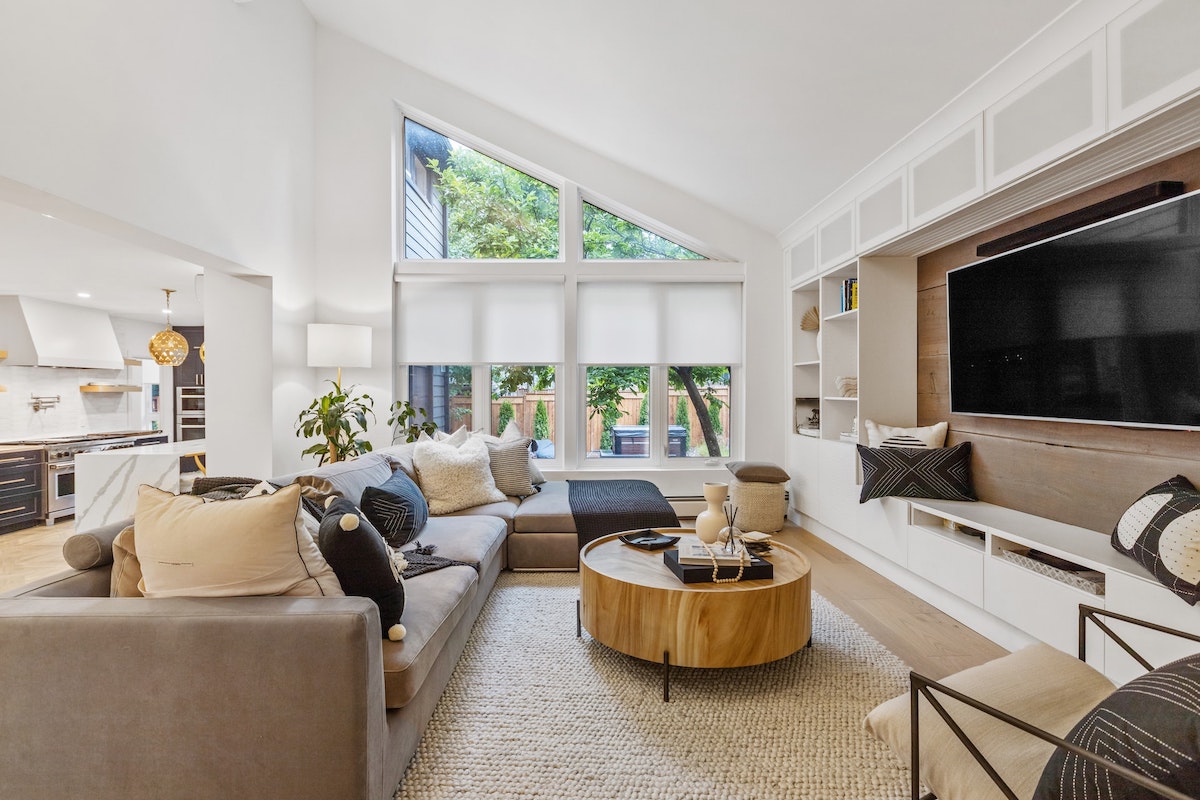
- Light as a design material: Large, operable PVC units allow floor-to-ceiling openings in living rooms, kitchens, or home offices, turning natural light into a primary element of the interior palette.
- Visual continuity: Matching fixed and operable units within the same slim profile lets you create full glass walls where only selected panels tilt or turn, preserving a uniform aesthetic.
For projects that aim to blur the boundary between indoors and outdoors, these windows provide a flexible, controllable interface rather than a simple opening in the wall.
Controlled Ventilation and Healthier Indoor Air
Indoor air quality has become a major topic in home design, particularly in tightly insulated, energy-efficient buildings. Tilt and turn windows offer nuanced control over airflow that traditional systems rarely match.
In tilt mode, the opening at the top encourages warm, stale air to escape while drawing fresh air in from outside along the sides of the frame. This creates:
- Gentle, draft-free ventilation even in cooler seasons.
- Secure night-time airing without fully opening the window.
- Reduced condensation risk in high-humidity spaces like kitchens and bathrooms.
For families working from home, spending more hours indoors, this kind of everyday comfort becomes part of the architectural brief rather than an afterthought.
Why PVC Matters in Modern Building Envelopes
The frame material plays a critical role in performance, maintenance, and long-term appearance. High-quality PVC, like that used by Seemray, offers a balanced combination of attributes that suit contemporary residential design.
- Energy efficiency: Multi-chamber PVC profiles paired with insulated glazing reduce heat transfer, supporting high-performance building envelopes and helping projects meet stringent energy codes.
- Low maintenance: Unlike wood, PVC does not require regular painting or staining. Simple cleaning is usually enough to keep frames looking fresh for years.
- Design versatility: A wide range of colors, laminates, and textures, including woodgrain finishes, allows designers to match both classic and ultra-modern aesthetics without sacrificing performance.
In climates with significant seasonal variation, the thermal stability of PVC frames helps maintain comfort near large glazed areas, making expansive window walls more practical.

Safety, Security, and Function in One Package
Homeowners and architects increasingly expect windows to contribute to safety as much as style. Tilt and turn systems integrate several features into a single design.
- Secure ventilation: In tilt mode the sash remains locked at the bottom, making it difficult to force open from outside while still allowing airflow.
- Egress potential: In many cases, the full “turn” opening can satisfy bedroom egress requirements, combining safety with a generous architectural opening.
- Easy cleaning: Because the sash swings inward, both sides of the glass are accessible from inside, particularly useful for upper stories or urban sites where exterior access is limited.
These practical advantages often become key selling points for real estate listings, where “European-style windows” and “secure ventilation” can distinguish a property in a competitive market.
Using Tilt and Turn Windows Strategically in Design
For architects, builders, and homeowners planning a new project or renovation, it helps to think of tilt and turn PVC windows as a flexible system rather than a single product.
- Living areas: Large combinations of fixed and operable units create bright social spaces with controlled ventilation and clear views.
- Bedrooms: Tilt mode supports safe night-time airflow, while the full opening can serve as an emergency exit where codes allow.
- Kitchens and baths: Top ventilation helps remove moisture and odors without strong drafts or wide-open windows.
- Urban projects: Inward operation minimizes conflicts with balconies, walkways, and neighboring properties, which is often crucial in tighter lots and multi-family buildings.
By placing these windows strategically, designers can solve functional problems while elevating the overall look and feel of the home.
Bringing European Performance to North American Homes
As expectations for comfort, energy efficiency, and design quality rise, more homeowners look for solutions that go beyond standard window offerings. Tilt and turn PVC windows deliver a blend of aesthetics, functionality, and performance that aligns with contemporary architecture and modern lifestyles.