



How to Create Wellness-Inspired Spaces with Simple Design Hacks
Creating wellness-inspired spaces has become a growing trend as more people prioritize their mental and physical well-being. Historically, home design focused on functionality and aesthetics, but in recent years, there has been a shift toward spaces that promote relaxation, mindfulness, and overall health. Today, simple design hacks can help transform any space into a sanctuary. From incorporating natural elements to choosing calming colors, small changes can have a big impact on how a space feels. Wellness-inspired design helps reduce stress, improve mood, and boost productivity by creating an environment that nurtures your mind and body.
Observation:
Designing a wellness-inspired space doesn’t require expensive renovations or a complete overhaul. Simple changes, like adding plants or adjusting lighting, can create a more peaceful and calming atmosphere. The goal is to create a space that feels rejuvenating and aligned with your needs, helping you unwind and recharge. Even small tweaks to your existing space can make a significant difference in how you experience your environment daily.

Assess Your Space
Before making any changes to create a wellness-inspired space, it’s important to assess your current environment. Take a moment to evaluate how your space makes you feel. Is it cluttered or chaotic? Do certain areas feel more calming than others? By identifying which parts of your space contribute to your well-being and which parts may need improvement, you can make more informed decisions about where and how to make adjustments. Consider areas like lighting, furniture layout, and storage. You might notice spaces that need a bit more organization or spots where natural light could be utilized better.
Here are some things to look at when assessing your space:
- The overall layout and flow of the room.
- The amount of natural light the space receives.
- The colors and textures present in the room.
- Whether the furniture promotes comfort and ease.
- How cluttered or organized the space feels.
- The functionality of the space (is it being used to its full potential?).
- The presence of calming elements, such as plants or artwork.
By taking time to assess your space, you’ll have a clearer understanding of what needs to be changed to create the wellness atmosphere you’re looking for.
Incorporate Natural Light
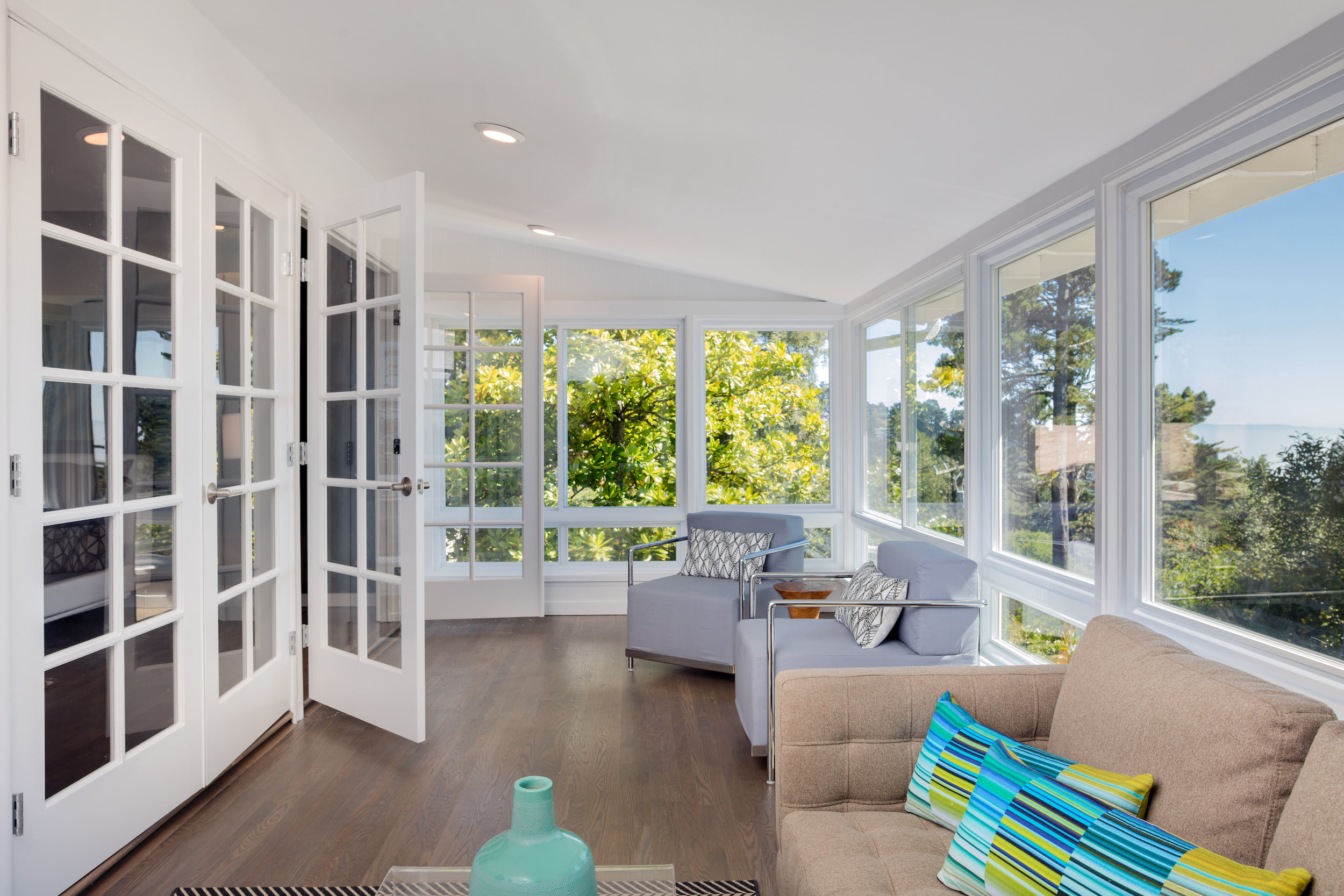
Natural light has a significant impact on the atmosphere of any space, making it an essential element in creating a wellness-inspired environment. Exposure to natural light has been linked to improved mood, increased energy, and better sleep patterns. It also helps maintain a connection to the outdoors, creating a sense of openness and tranquility. To incorporate more natural light into your space, start by maximizing the light that comes in. Use light-colored curtains or blinds that allow sunlight to filter through. If possible, rearrange furniture so that seating areas are positioned to face windows or light sources. For spaces that lack sufficient natural light, consider using mirrors to reflect sunlight, making the room feel brighter and more expansive. In some cases, where natural light may still be limited, you might want to store items you don’t use daily, creating space for windows to shine more. In that case, NSA Storage offers premium storage in Phoenix, AZ, providing a secure place to store things temporarily and free up room for natural light. Incorporating natural light into your wellness-inspired space can make it feel fresher and more inviting, enhancing the overall energy of the room.
Facts: Natural light boosts mood and energy while enhancing focus and creativity. Proper exposure to sunlight has numerous health benefits and helps create a calming environment.
Choose Calming Colors
Choosing calming colors is one of the simplest yet most effective ways to create a wellness-inspired space. Colors have a direct impact on our mood and energy levels, so picking the right shades can set the tone for relaxation and tranquility. Soft blues, greens, and neutral tones are known to have calming effects, while brighter, bold colors can be energizing but might create a sense of chaos if overused. When designing your space, focus on creating a color palette that promotes calmness and balance. Paint the walls in serene tones, use these colors in accessories, or introduce them through textiles like throw pillows and curtains. If you have a lot of belongings, and some things don’t fit into your overall color scheme, consider storing them away in storage units in Phoenix, AZ. This way, you can free up space to maintain a clean, harmonious atmosphere without feeling overwhelmed by clutter. Colors not only influence how we feel, but they can also create a sense of harmony within a room. By being mindful of your color choices, you can transform any space into a peaceful retreat, making it easier to relax and unwind, which is key to a wellness-focused environment.
Add Greenery and Plants
Adding greenery and plants to your space is one of the easiest ways to bring nature indoors and create a calming atmosphere. Plants help purify the air, reduce stress, and improve overall well-being. Incorporating a variety of indoor plants, such as low-maintenance succulents or larger leafy greens, can make your space feel fresher and more inviting. Whether placed on shelves, windowsills, or even hanging from the ceiling, plants bring life to any room and contribute to a wellness-inspired environment.

Declutter for Serenity
A cluttered space can lead to a cluttered mind, which is why decluttering is essential for creating a wellness-inspired environment. When your surroundings are disorganized, it can be difficult to relax or focus. By decluttering, you make space for peace, calm, and serenity, which helps you feel more balanced and centered. Start by identifying areas of your home that collect unnecessary items, such as countertops, tables, and closets. By clearing these areas, you open up space for relaxation and focus.
Here are some tips to help you declutter:
- Start with one room at a time to avoid feeling overwhelmed.
- Donate or dispose of items you no longer use or need.
- Use storage containers or bins to keep necessary items neatly organized.
- Create a designated space for everything to prevent things from piling up.
- Regularly maintain your space by setting aside time each week to tidy up.
When you create a space free from excess items, it allows your mind to feel less distracted and more at ease. A clean environment also supports the concept of mindfulness, where you can focus more on the present moment rather than being distracted by clutter. As you declutter, you’ll notice how much more peaceful your space becomes, helping you foster a calming atmosphere that supports your overall well-being. A simple act like decluttering can have a big impact on your mental clarity and sense of calm.
Final Thoughts
Creating wellness-inspired spaces is all about small changes that add up to a bigger impact. By assessing your space, using calming colors, and incorporating natural elements like plants and light, you can easily transform any room. Decluttering and organizing further enhances this sense of calm. With thoughtful design and simple hacks, you can create an environment that promotes relaxation, reduces stress, and supports your overall well-being, making it a sanctuary for you.