



How Architecture and Financing Go Hand-in-Hand for Homeowners
When it comes to creating your ideal home, architecture and financing are two pillars that must work in harmony from the very beginning. The design of your space isn’t just about aesthetics or functionality—it’s also deeply connected to how you plan and secure the funds to bring your vision to life. Every architectural choice, from the layout to the materials, has a direct impact on your budget and the financial strategies you’ll need to make your dream a reality. Understanding how architecture and financing influence each other is essential for homeowners who want a home that is both beautiful and financially sustainable.
Designing and building a home is more than just picking out floor plans and finishes. It’s about bringing your vision to life in a way that matches your lifestyle, values, and, just as importantly, your budget. Whether you’re working with an architect to design a new home or making upgrades to an existing one, how you finance that vision matters as much as the blueprint itself.
For many homeowners, the dream of building or renovating a home often collides with the reality of securing the right loan. Your home’s structure, size, and features influence not only how you live but also how much you pay every month. And if you’re not careful, decisions made during the design phase can throw off your financial plans in ways that are hard to undo later.
In this article, we’ll explore how these two worlds, architecture, and financing, work together to shape your homeowner experience. From understanding the impact of design on cost to figuring out how to budget smartly, you’ll learn how to approach homeownership with clarity and confidence.
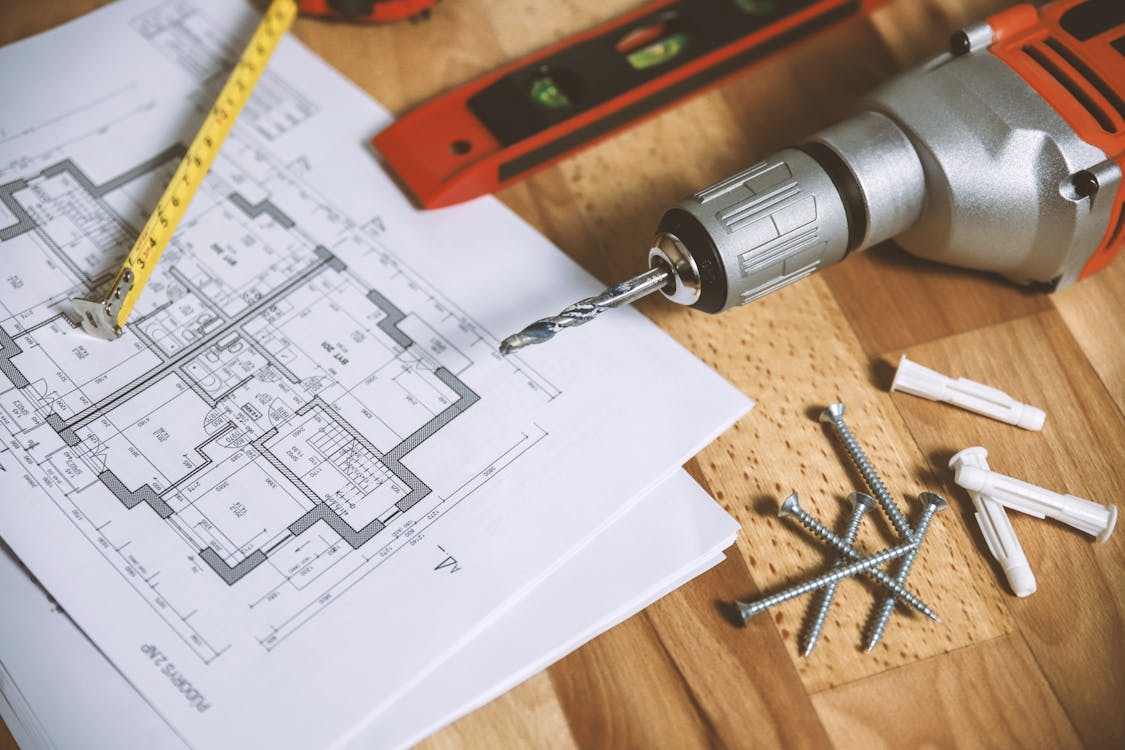
Understanding How Design Impacts Your Mortgage
When you’re planning a new home or major renovation, the first thing you might think about is the layout or square footage. But every architectural decision, from the size of the kitchen to the type of roofing, has financial implications. Bigger isn’t always better when it comes to costs. A larger footprint can mean higher property taxes, insurance premiums, and monthly mortgage payments. Energy-efficient designs or eco-friendly materials may cost more upfront but can help reduce ongoing utility bills.
As you weigh your options, it’s important to stay informed about the financial side of homebuilding. One of the smartest steps you can take early on is learning about current mortgage rates. These rates directly affect how much you’ll pay over the life of your loan. Even small differences in percentage points can make a noticeable impact on your monthly payments and overall interest costs. By keeping an eye on the market and working with lenders that provide clear, updated rate information, you can time your financing strategically and choose a loan that fits your goals.
Building a Budget That Supports Both Style and Stability
While it’s tempting to go all out on high-end finishes or add every possible upgrade, creating a realistic budget is key to avoiding regret later. Start by identifying your must-haves versus your nice-to-haves. Do you really need that fifth bedroom, or would a flexible office space do the trick? Is it worth splurging on marble countertops, or would a high-quality laminate offer a similar look for less?
Work with both your architect and lender to determine a total project cost that includes design, materials, labor, permits, and any potential surprises. It’s always wise to leave a buffer. Unexpected expenses almost always come up during a build or renovation.
Your financing plan should support your long-term comfort, not just your short-term excitement. A home that stretches your budget too thin can lead to financial stress, which can overshadow the joy of your new space. Choosing a mortgage with manageable payments will give you more breathing room and flexibility for future goals like travel, education, or retirement savings.

Choosing an Architect Who Understands Cost-Efficient Design
Not all architects think in terms of financial planning, but the good ones do. When interviewing design professionals, look for someone who understands how to create beautiful, functional spaces without unnecessary expenses. Ask about their approach to cost-efficiency. Do they have experience designing within tight budgets? Are they familiar with materials and methods that offer long-term value?
A thoughtful architect will help you prioritize what’s most important and find ways to get creative within your budget. It might mean using prefabricated elements to lower construction costs, incorporating passive solar design to reduce energy bills, or designing a layout that minimizes expensive structural elements.
The more your architect understands your financing limitations and long-term plans, the better they can tailor the design to support your financial well-being.
Financing Options That Fit Different Home Goals
The type of financing you choose should align with your project and timeline. For ground-up construction, a construction loan may be the most logical route. These loans often convert into traditional mortgages once the home is finished. For remodels or additions, you might consider a home equity loan or a cash-out refinance, especially if your current mortgage terms are favorable.
Work with a lender who can walk you through the pros and cons of each option and help you understand the full picture, including interest rates, repayment timelines, and how your credit score and income factor into the equation.
It’s also helpful to explore pre-approval early in the process. Knowing how much you’re eligible to borrow helps keep the design grounded in financial reality and saves time during the construction phase.

Long-Term Thinking: Maintenance, Resale, and Sustainability
When you design your home with the future in mind, you’re not just making smart architectural choices. You’re making smart financial ones, too. For example, choosing durable materials might cost more initially but save you thousands in maintenance over the years. Similarly, layouts that allow for flexible use (like turning a playroom into a guest room) can make your home more appealing to future buyers.
Sustainability is another area where architecture and financing align. Homes that are built to be energy-efficient often qualify for tax credits and rebates, which can make them more affordable over time. Plus, green homes are increasingly attractive in the resale market.
Thinking ahead also helps you prepare for life changes. Maybe your family will grow, or maybe you’ll want to downsize later on. Designing with adaptability in mind makes it easier to modify your home instead of starting from scratch, and that can translate into big savings.
At first, architecture and financing might seem like two separate steps on your journey to homeownership. But when you look closer, you’ll see they’re constantly influencing each other. Your dream home isn’t just about how it looks or feels. It’s about how well it fits into your life, both now and in the years to come.
By approaching your home project with a mindset that values both design and budget, you’ll set yourself up for success. That means working with professionals who listen, choosing loan options that work for your goals, and making smart decisions that balance aesthetics with affordability.
When architecture and financing go hand-in-hand, you don’t have to choose between beauty and practicality. You can have both and build a home that feels right in every way.