



How to Choose Space-Saving Furniture for Compact Living Spaces
Living in a compact home or apartment presents unique challenges when it comes to furnishing. Maximising space without compromising comfort or style requires careful planning and smart furniture choices. Space-saving furniture is no longer just a convenience. It has become a necessity for modern living.
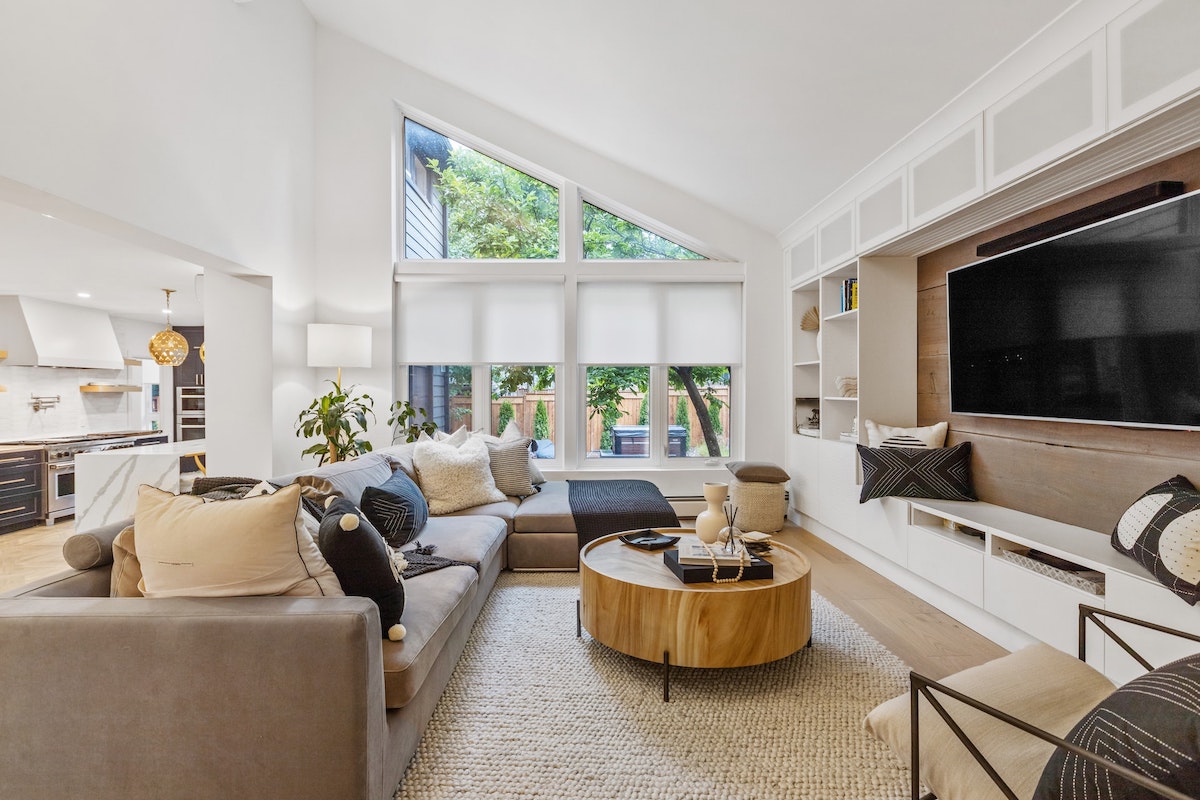
When selecting furniture for a smaller space, it is important to choose pieces that are versatile, functional, and visually light. For example, a modular lounge in a Perth home can be a flexible option, helping to create a space that feels open, organised, and comfortable. With the right combination of smart furniture choices, even the smallest spaces can feel stylish, practical, and welcoming.
Tips for Selecting Space-Saving Furniture in Small Living Areas
Understand Your Space and Needs
Before you start shopping, it is essential to have a clear understanding of your space and your lifestyle needs. Measure the dimensions of each room carefully, noting the positions of doors, windows, and any fixed elements. This will help you avoid buying furniture that is too large or awkwardly shaped.
Consider how you use each space. Do you entertain guests frequently or mostly use the room for relaxation? Are you looking for additional storage or multi-functional pieces? Identifying your priorities will guide you in selecting furniture that is not only compact but also functional.
Opt for Multi-Functional Furniture
One of the key strategies for compact living is choosing multifunctional furniture. Pieces that serve more than one purpose save both space and money. For example, a sofa bed allows your living room to double as a guest bedroom when needed. Similarly, an ottoman with hidden storage can be used as a seat, a footrest, and a place to store blankets or magazines.
Tables with extendable surfaces are another excellent option. A small dining table that can expand for guests ensures you have the flexibility to adapt your space without it feeling cluttered. Look for furniture that has built-in storage wherever possible, such as bed frames with drawers underneath or coffee tables with shelves.
Choose Vertical Storage Solutions
When floor space is limited, think upwards. Vertical storage solutions make use of wall space and reduce clutter on the ground. Tall shelves and vertical cabinets help keep items organised while maintaining a spacious feel in the room.
Wall-mounted drawers and fold-away tables are particularly effective in small apartments. They can be folded down when in use and tucked away to free up space when not needed. This approach not only maximises storage but also keeps your home looking tidy and open.
Prioritise Lightweight and Mobile Pieces
In compact living spaces, furniture that is easy to move can make a significant difference. Lightweight chairs, nesting tables, and furniture on wheels allow you to rearrange your room quickly depending on your needs. This flexibility is invaluable in small homes where every piece of furniture must be functional for multiple purposes.
Nesting tables are perfect examples of space-saving furniture. They can be stacked together to save space when not in use and separated to provide additional surfaces for entertaining or work. Similarly, lightweight chairs can be moved to create a temporary dining area or extra seating without overwhelming the room.
Focus on Proportion and Scale
Even when choosing space-saving furniture, proportion and scale matter. Oversized pieces can make a compact space feel cramped and uncomfortable, while furniture that is too small can look out of place and reduce functionality. Opt for pieces that are scaled appropriately for the room. For example, a low-profile sofa can provide ample seating without dominating the space. Transparent or glass furniture can create the illusion of more space, as it allows light to pass through and keeps the room feeling open.
Keep the Design Minimal
In compact living spaces, less is more. Choosing furniture with clean lines and minimal ornamentation prevents the room from feeling cluttered. Avoid overly bulky designs and focus on pieces that offer practicality without unnecessary details.
Neutral colours and simple textures can also enhance the sense of space. Light colours reflect more light, making a room feel brighter and larger. Layering textures through textiles such as cushions, throws, and rugs adds warmth and comfort without taking up additional floor space.
Final Thoughts
Choosing space-saving furniture for compact living spaces requires a balance between functionality, comfort, and style. Understanding your space, prioritising multi-functional pieces, and using vertical storage solutions can transform even the smallest home into a comfortable and stylish living environment. With careful planning and thoughtful furniture choices, compact living does not have to feel limiting. Instead, it can encourage creativity, efficiency, and a more organised lifestyle. Investing in the right furniture today ensures that your home remains practical, comfortable, and inviting for years to come.
Frequently Asked Questions
How can multi-functional furniture help in small living areas?
Multi-functional furniture allows a single piece to serve more than one purpose. For example, a sofa bed provides seating and a sleeping option, while storage ottomans can double as seating and hidden storage. This reduces clutter and optimises available space.
What types of furniture are best for compact spaces?
Furniture that is lightweight, mobile, modular, or extendable is ideal. Items such as nesting tables, fold-away desks, tall cabinets, and beds with drawers underneath help keep the home organised while maintaining comfort and style.
How can vertical storage improve a small room?
Vertical storage makes use of wall space, freeing up the floor area. Tall shelves and cabinets keep the items organised without crowding the room, giving a sense of openness and order.
Are modular lounges a good option for small homes?
Yes. Modular lounges offer flexibility in layout and functionality, allowing sections to be rearranged depending on space requirements or seating needs.
How can investing in space-saving furniture improve home living?
Investing in smart, well-designed furniture optimises space, maintains comfort, and keeps the home organised. This enhances daily living, encourages efficiency, and allows even smaller homes to feel open, stylish, and inviting.